
Blockage & Overflow Alarms
Level alarms that warn as a sewer surcharges, and Blockage Watch, which finds a blockage weeks before it overflows.
At a glance
- Radar level to ± 5 mmLIDoTT Alarm measures up to 8.4 m
- Sydney Water panel providerFor sewer flow and level instrumentation
- SMS, email and websiteThree alarm states, and a daily heartbeat
- Zone 0ATEX and IECEx, the most hazardous classification
Blockages and surcharges give warning if something is watching. Our level monitoring alerts crews as wastewater rises, so they can act on a blockage or sewer collapse before it becomes a spill.
Detectronic’s LIDoTT Alarm puts a radar level sensor, battery, modem and antenna into one Zone 0 certified device, for main, domestic and lateral sewers. We supply and install it across Australia and run it in our own fleet. We’re also a Sydney Water panel provider for sewer flow and level instruments.
Where flow meters are in, the data watches too. A steady rise in depth with no rain to explain it points to a blockage or sediment building up, often long before crews would report it.

How it works
Level alarms for every chamber
Three Detectronic radar instruments, all ATEX and IECEx certified for Zone 0, the most hazardous classification.
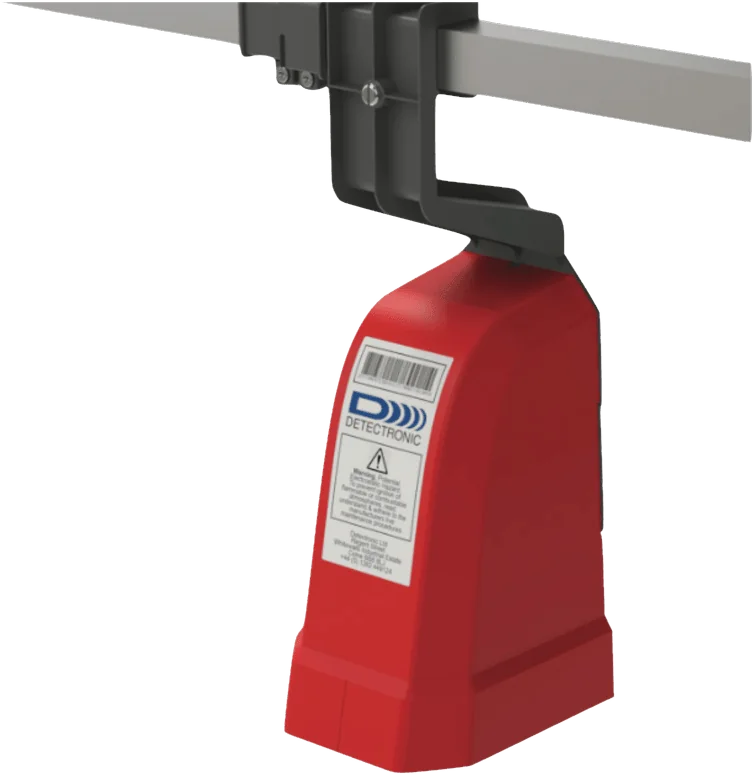 DetectronicLIDoTT AlarmRadar measuring up to 8.4 m to ± 5 mm, with three alarm states and up to seven years on battery, in a submersible, self-cleaning enclosure.
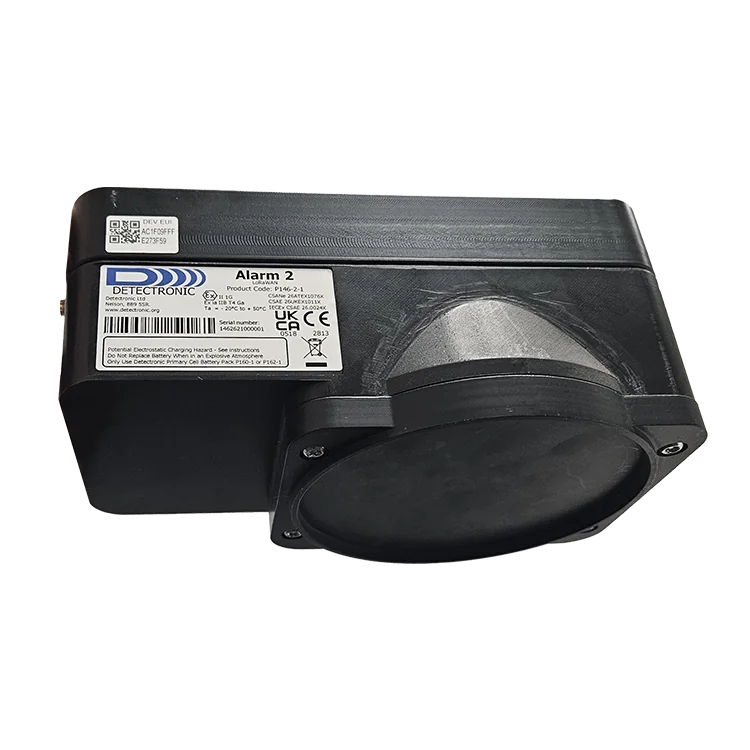 DetectronicAlarm2Radar level from 0 to 20 m with no deadband, accurate to ± 5 mm at 20 m. High and low, rate of change and profile alarms.
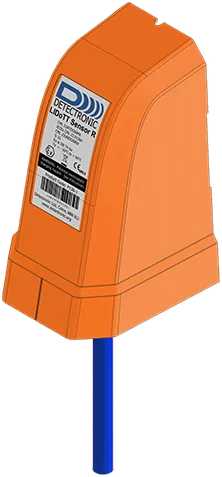 DetectronicLIDoTT RRadar and pressure level together, up to 17 m in total with zero deadband, for continuous monitoring through surcharge.
Blockage Watch in FlowSense
Where flow meters are in, FlowSense reads the dry weather record and finds a blockage weeks before it overflows. It’s included on every site. It tells you a line is blocking, not exactly where, so you still want a level alarm in the chamber.
- Eight blockage signatures
Six use level alone. The strongest also uses velocity.
- Scored, not just flagged
Each case is scored: watch from 35, warning from 55 and critical from 75. A case closes itself once the signature goes.
- A likely cause and an action
Silt or grease, a sudden obstruction, a downstream restriction or more load. Then a suggested response: desilt, CCTV, inspect below the meter, or no action.
- Tested against your history
A backtest against your own overflow register shows how much warning it would have given.
What it helps you catch
- Blockages in main, domestic and lateral sewers
- Surcharges caused by sewer collapses
- Sediment build-up, cleared before the next storm
- Partial obstructions, sags and displaced joints
- Rising risk of a wet weather overflow
Raise the water. Watch the alarm.
An illustration of how a LIDoTT Alarm behaves. Thresholds are set on site during installation.
LIDoTT Alarm specifications and datasheetTalk to the people who measure it.
Tell us about your network, site or project. A real person from our team will come back to you.